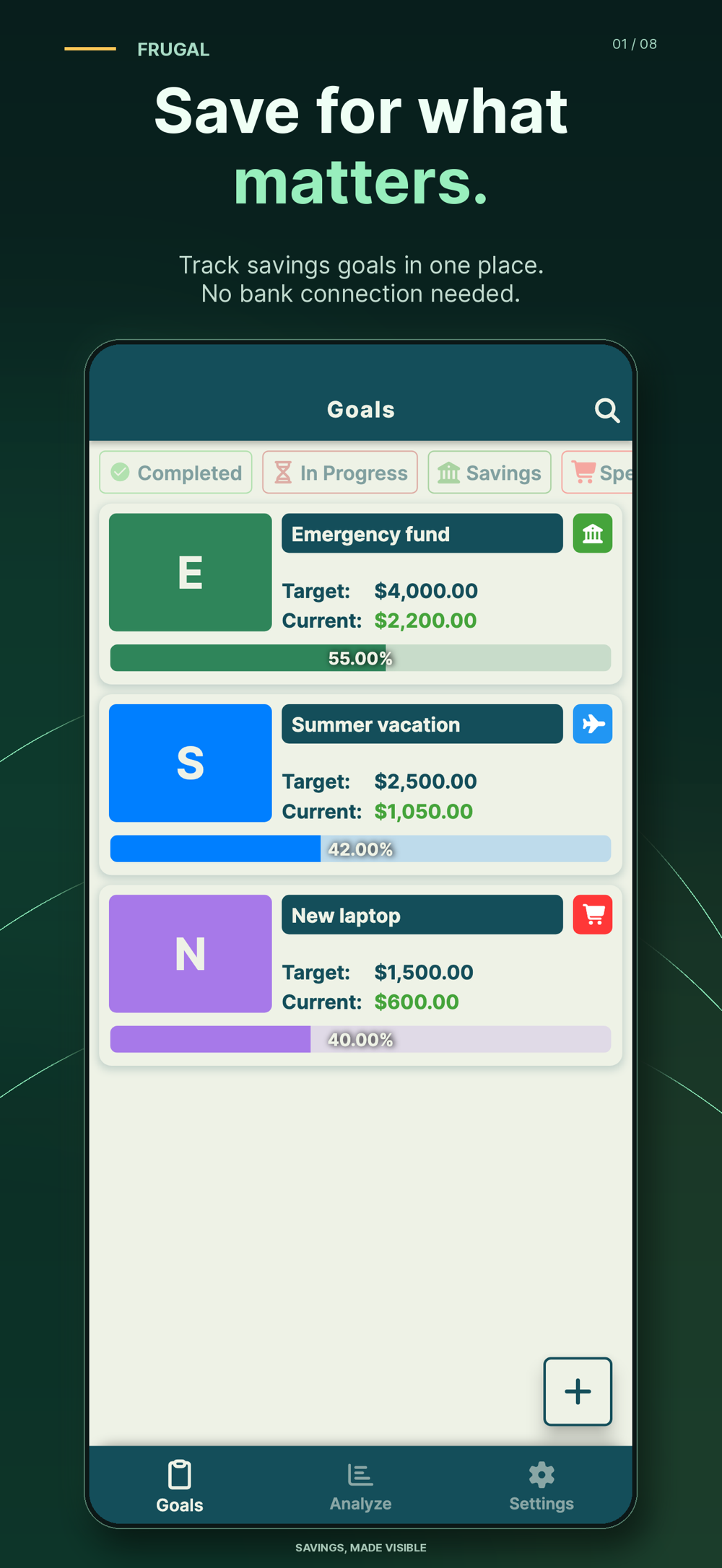

Eli’s trip and fares are a fictional example. For your journey, look up both directions with the operator, including local connections, ticket conditions and the day you can actually book. A screenshot can help you compare options later. It can’t hold a fare.
Put the return journey on the same piece of paper
Draw four small boxes for the trip out and work backward from the time you want to arrive. Include getting to the station, the main train, the last leg and any waiting time. Repeat for the journey home. Eli can walk to his departure station, but the local bus at his family’s end runs less often in the evening. He checks when his mother can collect him before choosing a train.
Under each departure, write down when you would be back at your own front door. Eli crosses out one late return because it leaves too little time to get to work the following morning. That saves him from spending a week trying to fund a ticket he can’t comfortably use.
Compare what each departure costs in full
| Return option | Rail tickets, both ways | Local travel, whole trip | Total |
|---|---|---|---|
| Early return with bus connection | $94 | $12 | $106 |
| Late return with a taxi | $82 | $36 | $118 |
The early return gives him a $12 smaller target. He writes $94 next to his booking date and $12 next to his travel date. Keeping the amounts separate helps him answer two different questions. Can he buy the ticket when he sees an acceptable fare? Will there still be money to get him home from the station?
Decide what to do if the fare moves
Eli has $46 saved. He can set aside $24 on each of his next two paydays. If the fare holds, he’ll have exactly $94 for the train, with one more $12 contribution due before departure. He asks his sister whether arriving a day earlier would work, so he already has another date to check if his preferred fare disappears.
Suppose the rail tickets reach $104 before he books. With the same bus connections, the whole journey would cost $116, or $10 more than he planned. He compares the other date and asks whether he could move the visit to the weekend after Christmas. Either choice deserves a fresh look at return times before he pays.
Keep the last bus fare visible in Frugal
In Frugal, Eli calls his goal “Christmas train and bus” and enters the full $106 target. After his two $24 contributions the balance shows $94. He buys the tickets at the original price and logs the $94 withdrawal. The balance is now zero, the tickets are in his inbox and his next real contribution is the $12 for local travel. He keeps the confirmation and bus times with his travel details.